CanopyFind

Stump Grinding in Kennesaw, GA

For a stump grinding request in Kennesaw, start with the local rule, the tree and site conditions, and the exact scope you want a provider to evaluate. The sections below combine Kennesaw-specific context with practical stump grinding guidance.

Share the stump width and a photo with surrounding access visible.

Mention gates, slopes, hardscape, and known underground utilities.

tree-service worker operating a stump grinder in a residential yard

Start your stump grinding request

Choose the tree work that applies and tell us where the property is. You can add details in the next step.

Services Select all that apply

Submitting a service request does not book a job.

Stump Grinding in Kennesaw: local factors first

Stump grinding after a permitted removal in Kennesaw is generally handled within the original removal scope, but homeowners should confirm with Public Works when needed. Older neighborhoods often contain dense oak and hickory stumps, while Historic District properties should consider whether grinding depth could affect hardscape or other reviewed features.
Local tree canopy character

Kennesaw shares the Piedmont oak-pine-hickory forest character of the region. Kennesaw Mountain — elevation 1,808 feet, immediately south of the city — is dominated by oak-hickory and mixed hardwood forest and is federal land inside Kennesaw Mountain National Battlefield Park. Residential canopy includes mature white oak, southern red oak, willow oak, loblolly pine, tulip poplar, red maple, and southern magnolia. The Kennesaw State University campus contributes mature specimen trees to the northern part of the city.

Local pest and disease pressure

the Georgia Forestry Commission has confirmed Emerald Ash Borer in Cobb County since 2014, and the statewide Emerald Ash Borer quarantine has been in effect since December 2017. Southern Pine Beetle risk is elevated in pine-dominated neighborhoods during drought years.

Storm exposure

Historic railroad and downtown structures in Kennesaw's core add proximity risk when mature street trees fail.

Definition and scope

Stump grinding uses a purpose-built rotating disk grinder to chip a stump down below grade — typically 4 to 12 inches below the surrounding soil surface — leaving a chip pile that can be used as mulch, backfilled with soil, or hauled off. This is distinct from full stump removal, which excavates the stump and root ball entirely and is more expensive and disruptive. Stump grinding is the standard residential approach because it is faster, cheaper, and less destructive to surrounding soil and plantings.

Why grind a stump

A stump left in place is a tripping hazard, an obstacle to mowing and replanting, and a slow-decaying reservoir that attracts termites, carpenter ants, and other wood-boring pests. In humid Atlanta conditions, stumps can also sprout for years after the original tree was removed, requiring repeated cutting. In areas subject to city landscaping standards, subdivision covenants, or commercial landscape plans, leaving a stump may violate an approved plan.

Cost drivers in metro Atlanta

Key points for stump grinding include the following practical considerations.

  • Stump diameter measured at the widest point at ground level is the primary cost driver. The market convention across metro Atlanta and much of the country is $2 to $5 per inch of stump diameter.
  • Minimum service fee. Most providers have a minimum of $100 to $150 to cover travel and setup, meaning small stumps that would price under the minimum on a per-inch basis still charge the minimum.
  • Wood hardness. Hardwoods (oak, hickory, maple) are denser than softwoods (pine, sweetgum, tulip poplar) and wear grinder teeth faster.
  • Root system extent. Standard pricing typically covers the stump plus roots to 6 to 12 inches below the surface. Grinding surface roots that extend several feet from the stump costs extra.
  • Grinding depth. Deeper grinds, often needed for replanting a new tree in the same location, cost more.
  • Access. Backyards behind narrow gates may require a walk-behind grinder, which is slower than a truck-mounted unit.
  • Proximity to structures and utilities. Grinding near foundations, retaining walls, sprinkler systems, or underground utilities slows the work.

Georgia Statewide Legal Baseline (Private-Property Removal)

Georgia does not have a statewide tree removal permit requirement for private residential property. Local municipalities and counties may enact their own tree protection ordinances, and many metro Atlanta jurisdictions have done so. Trees near sidewalks, curbs, or within the public right-of-way may require city approval regardless of the property's private ownership.

Under Georgia common law, if a healthy tree falls on a neighbor's property in a storm, the affected property owner's own insurance typically handles their own damage. The originating owner is generally not liable unless they knew or should have known the tree was hazardous and failed to act — which is one reason documenting concerns about a visibly declining neighbor's tree in writing can matter later.

Typical stump-grinding price ranges

These broad metro Atlanta market ranges can help you compare quotes. They are not CanopyFind pricing, and the provider’s written scope should define the actual job price.

Pricing basisTypical market range
Per inch of stump diameter$2–$5 per inch
Minimum service charge$100–$150
Typical residential job$100–$400
Typical metro Atlanta per-stump range$120–$210 per stump

What helps a provider assess the service request

This page combines the service and location without pretending to know the property. Add real site details in the service request flow.

01

A stump is blocking mowing, planting, or a planned project

02

Surface roots or the stump create a trip concern

03

A recent removal left a stump to address separately

04

The area needs a cleaner, more usable finish

Use the property—not generic local claims

CanopyFind does not publish an assumed provider price, availability window, or credential for Kennesaw. Property-specific details should be confirmed for the actual job.

Read the complete stump grinding guide

Before you compare options

  • Share the stump width and a photo with surrounding access visible.
  • Mention gates, slopes, hardscape, and known underground utilities.
  • Ask how grindings, backfill, and surface cleanup will be handled.
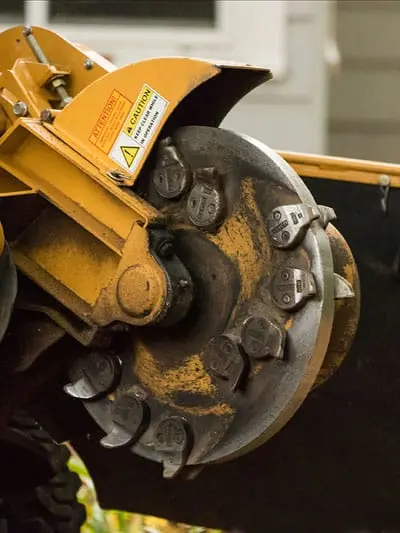
close-up of a stump grinder cutting wheel and teeth

Related CanopyFind guides

Use the parent location and service guides for broader context, compare a related service in this city, or compare the same service in another approved launch market.

Sources used on this page

Government, university, and public-agency references below support local rules, forestry guidance, storm history, and other factual context used on this page.

Stump grinding questions

How much does stump grinding cost in metro Atlanta?

The market convention is $2 to $5 per inch of stump diameter, with a $100 to $150 minimum service fee that covers travel and setup. Typical residential jobs run $100 to $400 per stump. In the metro Atlanta market specifically, per-stump pricing typically falls between $120 and $210.

What is the difference between stump grinding and stump removal?

Stump grinding chips the stump down below the surrounding soil surface (typically 4 to 12 inches deep), leaving a chip pile and the root system in place. Stump removal excavates the stump and the root ball entirely, and is more expensive and disruptive. Stump grinding is the standard residential approach.

How deep is a stump ground?

Standard grinding depth is 4 to 12 inches below the surrounding soil surface. Deeper grinds are available at higher cost and are typically requested when the homeowner intends to replant a new tree in the same location.

Can I plant a new tree in the exact spot the stump was ground?

It's not ideal. Fresh grinding chips are high in carbon and low in nitrogen and will temporarily tie up soil nitrogen as they decompose. If replanting is planned, the standard practice is to remove chips and backfill with quality topsoil. Even then, moving the new tree 6 to 10 feet away from the original stump gives it fresh soil and better establishment.

Do I need a permit to remove a tree in Kennesaw?

Yes. The City of Kennesaw requires a tree cutting permit for residential tree removal. The permit fee is $25.00, submitted to the Kennesaw Public Works Department at 3080 Moon Station Road.

What extra requirements apply in Kennesaw's Historic District?

Properties in the Kennesaw Historic District require Historic Preservation Commission approval and an additional $50 Certificate of Appropriateness fee, for a total of $75 in permit fees.

How long is a Kennesaw tree cutting permit valid?

Six months from the date of issuance. Do not begin cutting until the permit has been issued.

Who is responsible for cleanup after tree removal in Kennesaw?

The property owner. The permit terms specify that the owner handles all cleanup and debris removal, and that the work must minimize impact on city streets and not interfere with garbage pickup.

Start your stump grinding request in Kennesaw

Tell CanopyFind what you need, where the property is, and when you need help.

Start a service request